Tree Limbs Removal in Reno, NV
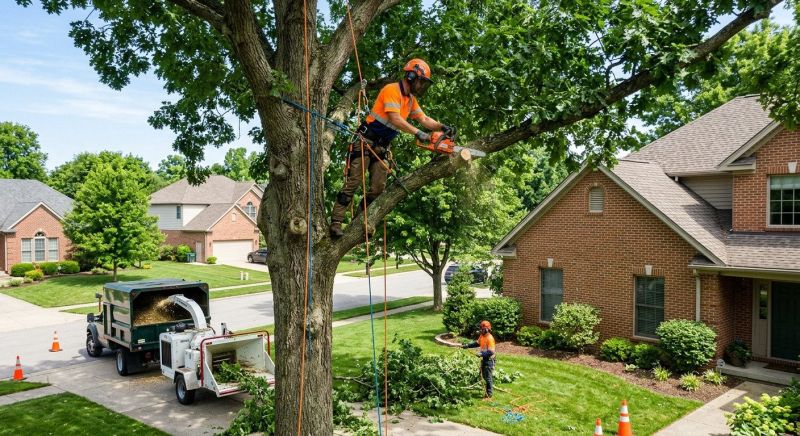
Tree limbs removal services involve the safe and efficient trimming or cutting of overgrown, damaged, or hazardous branches from trees on residential properties. This service covers projects such as removing dead or diseased limbs, clearing branches that interfere with power lines or structures, and reducing weight to prevent storm damage. Property owners typically want to understand which branches are safe to remove, how the process may impact the health of the tree, and any precautions needed to protect surrounding landscaping or structures before requesting this service.
Before requesting tree limbs removal, homeowners should consider the size and location of the branches in question, as well as any potential impact on the overall health of the tree. It’s also helpful to identify which areas of the property may be affected by falling debris or equipment access. Proper assessment ensures that the removal process is performed safely and efficiently, helping to maintain the safety and appearance of the landscape.
Many property owners in Reno, NV look into Tree Limbs Removal for repairs, replacements, upgrades, and appearance-related improvements.
Safety And Property Protection
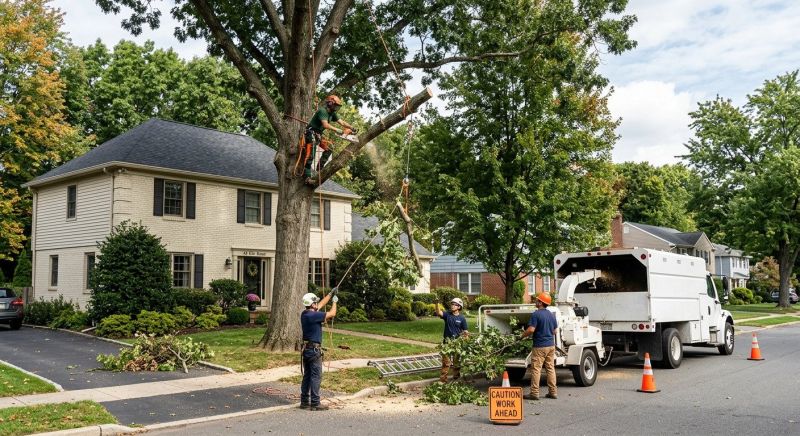
Removing hazardous or overgrown tree limbs helps prevent damage during storms and maintains safety around your property.
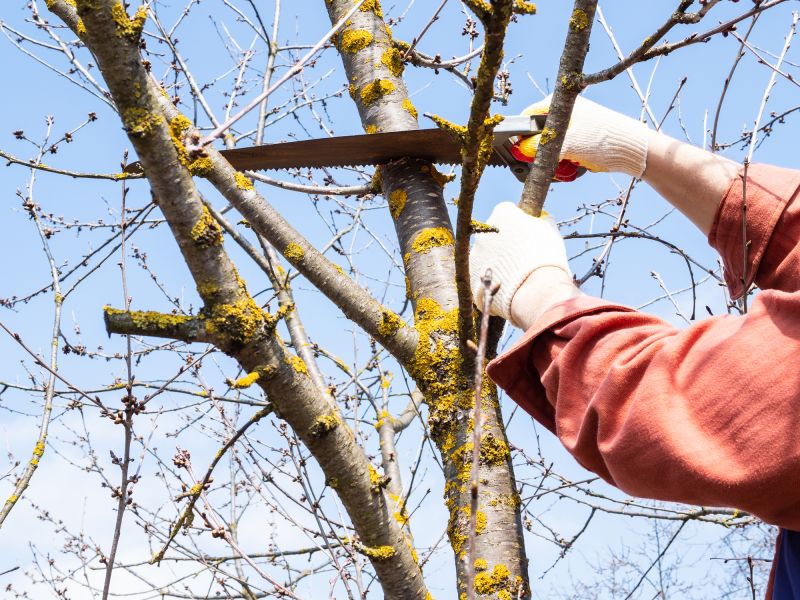
Tree Health And Maintenance
Pruning dead or diseased limbs promotes healthier trees and enhances the overall appearance of your landscape.
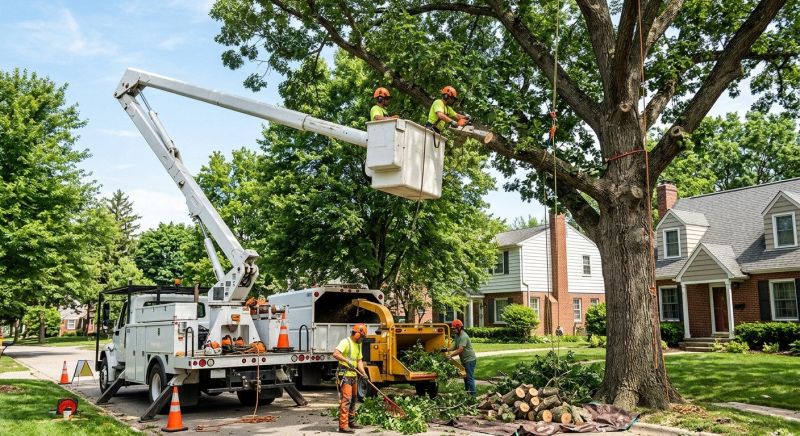
Aesthetic Improvement
Selective limb removal can improve sunlight exposure and create a more attractive outdoor environment in reno and nearby areas.
Tree Limbs Removal in Reno, NV

Tree limbs removal services involve the safe and efficient trimming or cutting of overgrown, damaged, or hazardous branches from trees on residential properties. This service covers projects such as removing dead or diseased limbs, clearing branches that interfere with power lines or structures, and reducing weight to prevent storm damage. Property owners typically want to understand which branches are safe to remove, how the process may impact the health of the tree, and any precautions needed to protect surrounding landscaping or structures before requesting this service.
Before requesting tree limbs removal, homeowners should consider the size and location of the branches in question, as well as any potential impact on the overall health of the tree. It’s also helpful to identify which areas of the property may be affected by falling debris or equipment access. Proper assessment ensures that the removal process is performed safely and efficiently, helping to maintain the safety and appearance of the landscape.
Many property owners in Reno, NV look into Tree Limbs Removal for repairs, replacements, upgrades, and appearance-related improvements.
Common Tree Limbs Removal Jobs
Tree limb removal - safely removes overgrown or damaged branches that pose a risk to property.
Emergency limb removal - handles urgent situations caused by storm damage or sudden breakage.
Crown thinning - reduces branch density to improve tree health and airflow.
Dead limb removal - eliminates dead or decaying branches to prevent potential hazards.
Selective limb removal - targets specific branches to shape trees and maintain aesthetics.
Utility line clearance - clears limbs near power lines to prevent outages and hazards.
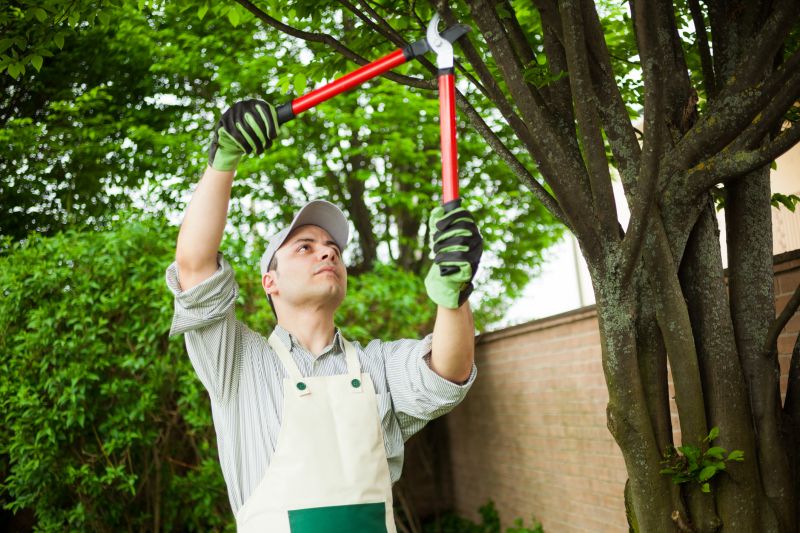
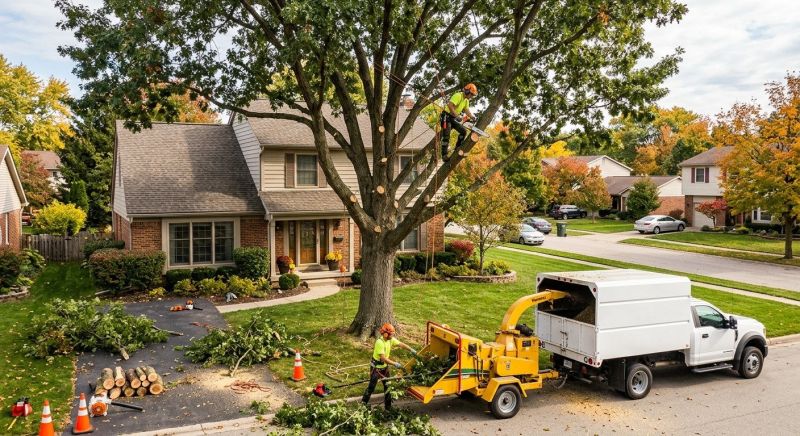
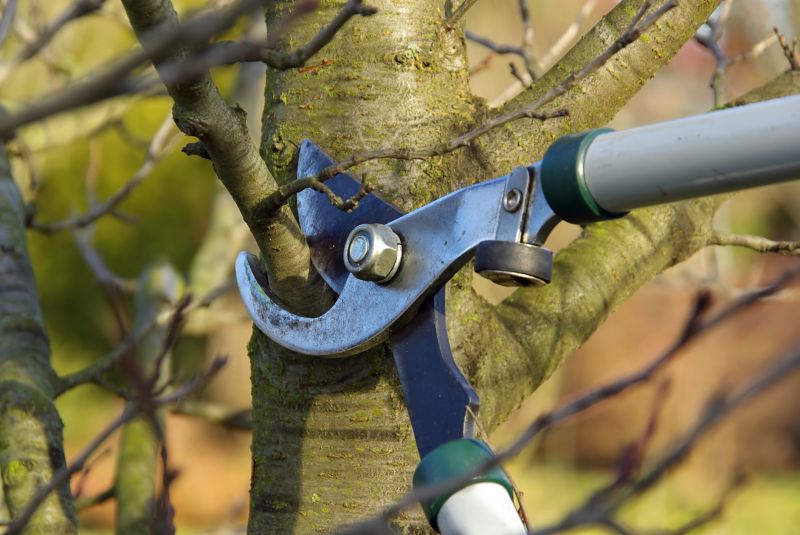
Tree Limbs Removal Questions
When is tree limb removal necessary? Removal is needed when limbs are broken, dead, or pose a risk of falling onto property or people.
How can I tell if a tree limb is dangerous? Signs include cracks, splits, excessive leaning, or dead branches that may fall unexpectedly.
What types of tree limbs are typically removed? Overhanging branches near structures, damaged or diseased limbs, and those blocking sunlight are common targets for removal.
Why should property owners consider professional limb removal? Professionals ensure safe, proper removal without damaging the tree or surrounding property.
Request Tree Limbs Removal in Reno, NV
Use the quote form on this page to share the basics of your project and request more information for the type of work you need.